


Ductless Heat Pump Systems for Island Homes
Older baseboards, hot upstairs bedrooms, cold back rooms, and rising hydro bills all point to the same question many Vancouver Island homeowners are asking: are ductless heat pump systems the right upgrade? In many homes, the answer is yes - but only when the system is sized properly, installed correctly, and matched to how the space is actually used.
Why ductless heat pump systems are so popular
Ductless systems have become a go-to option because they solve several common comfort problems at once. They provide heating in cool weather, air conditioning in the summer, and better energy efficiency than many older electric systems. For homes without existing ductwork, they can be a practical way to improve comfort without opening walls for a full forced-air retrofit.
That matters in many Vancouver Island homes, where floorplans vary and older heating setups are still common. A ductless heat pump moves heat rather than generating it the way electric baseboards do. That difference is what helps reduce monthly operating costs in many cases.
Just as important, these systems give homeowners more control. Instead of trying to heat or cool the whole house the same way, you can target the areas that matter most. For a family that spends most of its time in the main living area, that can be a much better fit than a one-size-fits-all heating approach.
How a ductless system works in real life
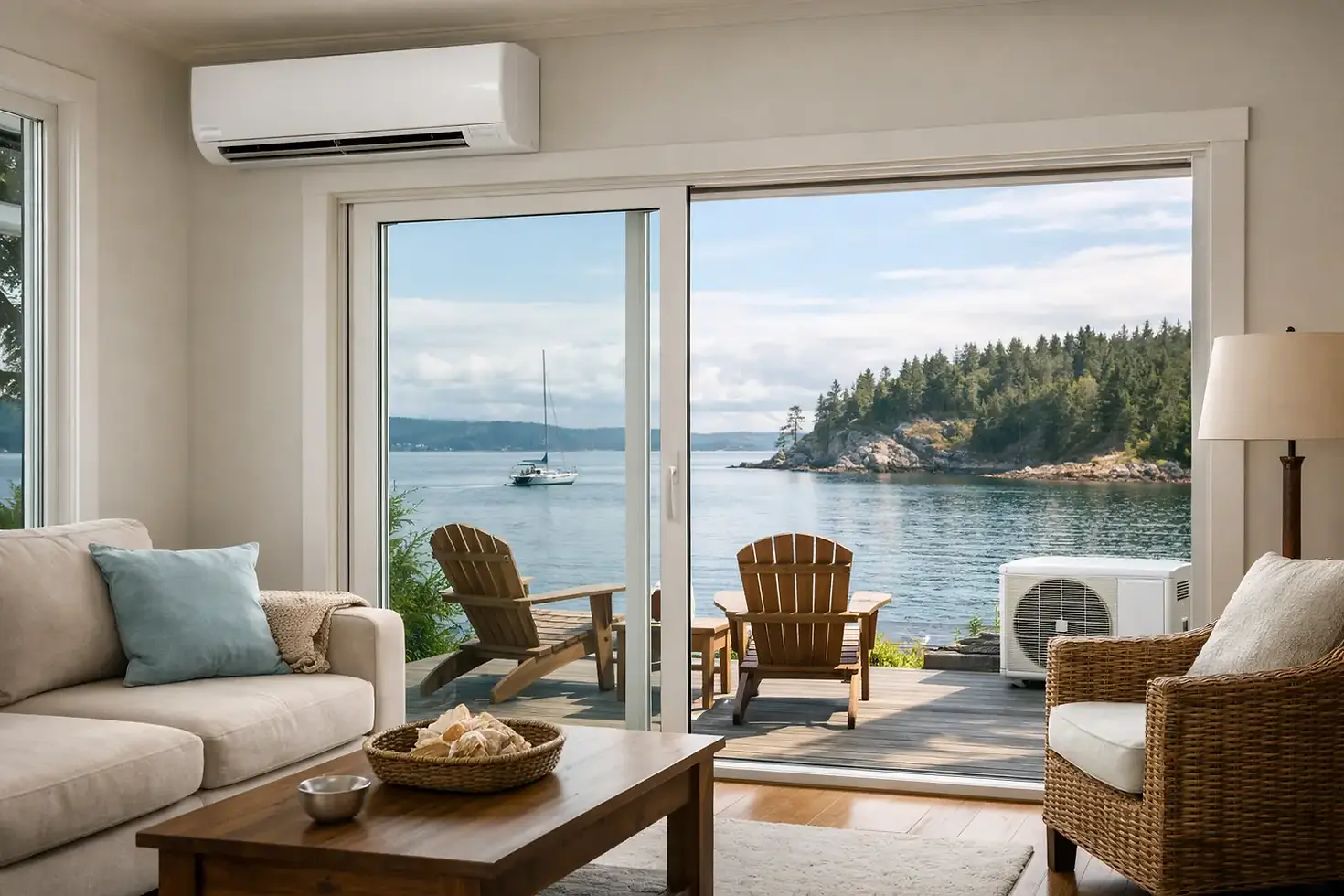
A ductless heat pump system typically includes an outdoor unit and one or more indoor heads mounted on a wall or ceiling. The outdoor unit transfers heat in or out depending on the season, while the indoor unit delivers conditioned air directly into the room.
In heating mode, the system pulls usable heat from outdoor air and moves it inside. In cooling mode, it does the reverse. Because there are no ducts, there is less energy loss between the equipment and the occupied space. That can be a real advantage in homes where adding ductwork would be expensive or disruptive.
For many homeowners, the appeal is simple. You get reliable heating, added cooling, and better efficiency in one system. You also avoid the uneven temperatures that often come with baseboard heat alone.
Where ductless heat pump systems make the most sense
Ductless systems are a strong option for homes that do not already have ductwork. They also work well for additions, suites, renovated spaces, and homes where only certain areas need better climate control.
A single-zone unit can be ideal for an open-concept main floor, a large living area, or a detached office. A multi-zone system may be a better fit when several rooms need independent temperature control. That said, more indoor heads do not automatically mean better value. The right layout depends on the home, insulation levels, window placement, and how people actually use the space day to day.
This is where professional design matters. A system that looks good on paper can still underperform if the indoor heads are placed poorly or the capacity is off. Oversized equipment can short cycle. Undersized equipment can struggle during colder weather. Neither gives you the comfort or savings you expect.
What homeowners like most
The first thing many people notice is comfort. Rooms heat up more evenly, indoor temperatures stay more stable, and summer cooling becomes much easier to manage. If you have been relying on portable AC units or simply putting up with hot indoor temperatures, a ductless heat pump can change how the home feels for much of the year.
The second big benefit is efficiency. Compared with electric resistance heating, a properly installed heat pump often uses significantly less electricity to deliver the same comfort. Over time, that can make a real difference on monthly utility bills.
There is also the benefit of zoning. Different people like different temperatures, and some spaces do not need constant conditioning. With a ductless setup, you can often adjust by area instead of treating the whole house the same way.
The trade-offs to know before you buy
A good contractor should be clear about the limits, not just the benefits. Ductless systems are excellent in many homes, but they are not a perfect answer for every layout.
Indoor heads are visible, and some homeowners do not love the look. Airflow can also be more direct than with a ducted system, which matters in smaller rooms or spaces where the head must be mounted in a less-than-ideal location.
Whole-home coverage can be more complicated in homes with many closed-off rooms. If your house has a choppy floorplan, one wall-mounted head in the living room may not solve comfort issues in distant bedrooms. In those cases, a multi-zone ductless design or a ducted heat pump may be the better long-term solution.
There is also the upfront cost. While operating costs are often lower, installation is still an investment. Rebates can help, and for many property owners they make the numbers much more attractive, but system choice should still be based on fit, not just incentive availability.
Choosing the right ductless heat pump systems
Not all systems perform the same, and not all homes need the same setup. The best choice depends on square footage, insulation, ceiling height, solar gain, occupancy patterns, and whether the goal is supplemental comfort or broader whole-home coverage.
Equipment quality matters, but installation quality matters just as much. A premium unit will not perform well if refrigerant lines are poorly run, controls are not commissioned properly, or the system is not sized to the load. This is why homeowners should look for experienced, certified installers who understand both equipment and real-world home performance.
On Vancouver Island, climate conditions are generally favorable for heat pumps, but that does not remove the need for careful planning. A home in a shaded rural area may behave differently than a newer subdivision build with better insulation and more solar exposure. The right recommendation should come from an in-home assessment, not a generic online estimate.
Installation, rebates, and long-term value
A proper quote should cover more than equipment price. It should address placement, electrical needs, condensate management, expected performance, warranty details, and what kind of maintenance the system will need over time.
For many homeowners, rebate eligibility is part of the decision. Working with a contractor who is familiar with approved installations and current program requirements can help avoid missed opportunities or paperwork issues. That is especially valuable when you are replacing older electric heating and trying to improve both comfort and operating costs.
Long-term value comes from a combination of lower energy use, dependable operation, and a system that matches the home. The cheapest option upfront is not always the best value if it leaves parts of the house uncomfortable or needs correction later.
Maintenance matters more than people think
Ductless heat pumps are known for efficiency, but they still need routine care. Filters need to be cleaned regularly, outdoor units need to stay clear, and periodic professional service helps catch issues before they turn into repairs.
Neglected systems can lose efficiency, move less air, and develop drainage or performance problems. In coastal environments, maintenance becomes even more important because outdoor components face moisture and seasonal debris. A little attention goes a long way toward protecting performance and extending equipment life.
For homeowners, the practical takeaway is simple: if you want the system to save money and stay reliable, plan for maintenance from the start.
Is a ductless system right for your home?
If you want better year-round comfort, lower heating costs than baseboards, and cooling without major renovation, a ductless heat pump is often worth serious consideration. It is especially attractive for homes without ducts, targeted upgrades, and households tired of uneven temperatures.
If your goal is true whole-home conditioning across many separated rooms, the answer may be more nuanced. You may need multiple indoor units, a different system design, or a ducted alternative. That is why an honest assessment matters more than a sales pitch.
At C & S Heating & Cooling, the best projects start with a clear look at the home, the budget, and the comfort problems you actually want to solve. A well-chosen system should feel like a smart upgrade for years, not a compromise you notice every day.
If ductless heat pump systems are on your list, the right next step is not guessing at model numbers online. It is getting a professional opinion based on your home, your layout, and how you want the space to feel when the weather changes.


Comments