


Top Benefits of Ducted Heat Pumps for Your Home
- cyluscv
- Jul 23
- 5 min read
A home can have a capable heating system and still feel uneven, stuffy, or expensive to run. If some rooms are always colder than others, summer cooling means dragging out portable units, or an older furnace is nearing retirement, it may be time to consider a different approach. The top benefits of ducted heat pumps come down to dependable whole-home comfort, efficient operation, and a clean installation that works through vents you may already have.
For homeowners across Vancouver Island, a ducted heat pump can replace or work alongside an existing forced-air system. It delivers heating in cooler weather and air conditioning when temperatures rise, using one central system and a network of ducts. The right fit depends on your home, ductwork, electrical capacity, and comfort goals, but for many properties, it is a practical long-term upgrade.
Top Benefits of Ducted Heat Pumps for Vancouver Island Homes
Heating and cooling from one system
A ducted heat pump moves heat rather than creating it through combustion. In heating mode, it draws available heat from outdoor air and transfers it indoors. When cooling is needed, the process reverses, removing heat from the home and carrying it outside.
That means you do not need a separate furnace and central air conditioner to manage year-round comfort. One properly sized system can provide reliable heating through much of Vancouver Island's mild coastal winter and cooling during warmer stretches. It also simplifies equipment planning when replacing an older oil, electric, or gas heating system.
Cold-weather performance varies by model. Modern cold-climate heat pumps are designed to operate at lower temperatures than older equipment, but some homes may still benefit from a backup heat source during the coldest periods. A professional assessment should account for your home's heat loss rather than relying on a one-size-fits-all recommendation.
More even comfort in every room
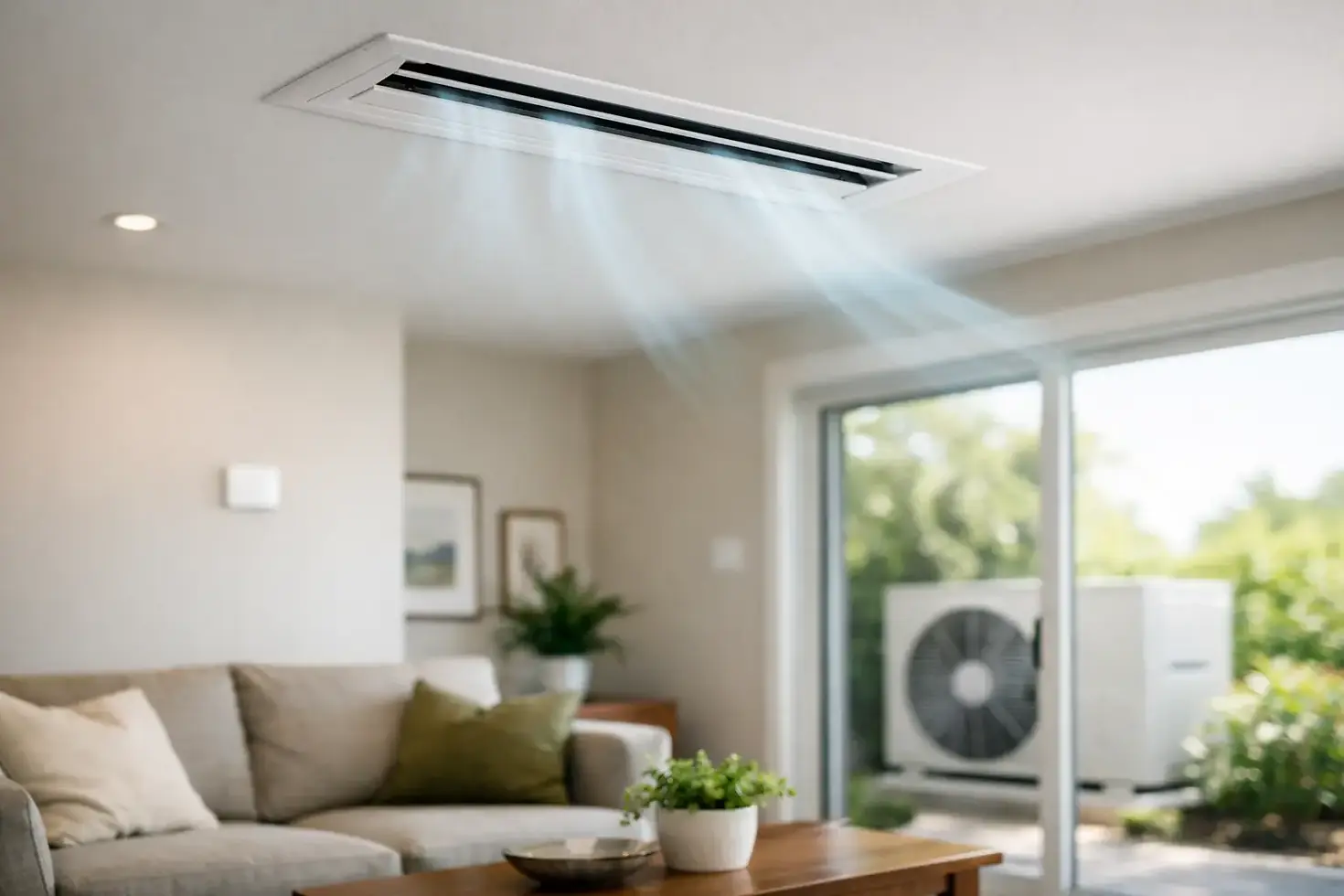
Ductless systems are excellent for targeted spaces, additions, and homes without ducts. However, ducted heat pumps have a clear advantage when the goal is consistent comfort throughout the house. Conditioned air is distributed through supply vents in bedrooms, hallways, living areas, and other connected rooms.
This can make a significant difference in homes where a single main-floor unit struggles to reach upstairs bedrooms or enclosed spaces. With proper duct design, airflow balancing, and thermostat placement, the system can reduce hot and cold spots that make rooms uncomfortable even when the thermostat says everything is fine.
Existing ductwork is not automatically ready for a heat pump. Ducts that are undersized, leaking, poorly insulated, or heavily restricted can limit comfort and efficiency. Inspecting the duct system before installation helps prevent a new unit from inheriting old airflow problems.
Lower energy use than conventional electric heat
For homes heated with electric baseboards, an electric furnace, or other resistance heating, the efficiency difference can be substantial. Resistance heat creates warmth by passing electricity through an element. A heat pump uses electricity to transfer heat, which generally allows it to deliver more heating energy than the electrical energy it consumes.
Actual savings depend on several factors: your current heating source, insulation levels, thermostat habits, electricity rates, system size, and the condition of your ducts. A heat pump will not erase the cost of heating a poorly insulated home, but it can reduce the energy required to keep a well-assessed home comfortable.
This is also where a load calculation matters. Oversizing a system can lead to short cycling and less effective humidity control, while undersizing may leave the system working too hard. Red Seal-certified technicians should size equipment based on the building itself, not just square footage or the capacity of the system being removed.
Quiet operation and a cleaner look indoors
A central ducted system keeps the main indoor equipment out of living areas, often in a utility room, basement, closet, or mechanical space. Air enters rooms through low-profile registers rather than wall-mounted indoor heads. For homeowners who prefer a more traditional look or want to preserve wall space for furniture, art, and windows, that can be a deciding factor.
Quality systems are also designed for quiet operation. You will still hear airflow at vents, particularly if the fan is running at a higher speed, but a properly installed system should not dominate a conversation or interrupt a quiet evening at home. Correct duct sizing and careful installation make a meaningful difference here.
Better air circulation and filtration options
Ducted heat pumps continuously circulate air through a central filter while the fan operates. This can help capture common airborne particles and keep air moving through areas that otherwise feel stale. Depending on the equipment and duct configuration, homeowners may also have options for upgraded filtration or indoor air quality accessories.
Filtration is helpful, but it is not a substitute for source control, ventilation, or regular cleaning. Homes with pets, allergies, wildfire smoke concerns, or high dust levels may need a more specific indoor air quality plan. The best recommendation depends on what is happening in the home, not simply the highest-rated filter available.
Flexible comfort control for busy households
Most ducted heat pumps can be paired with programmable or smart thermostats. This allows you to set comfort schedules, maintain steadier temperatures, and adjust settings when you are away. Some systems can also be configured with zones, allowing different areas of a larger home to be managed separately.
Zoning can be valuable in multi-level homes, homes with guest rooms that are not used every day, and properties where one side of the building receives more sun. It does add equipment and installation cost, so it makes the most sense when the home has clear differences in heating and cooling needs. For many households, a well-designed single-zone ducted system is the better value.
When a Ducted Heat Pump Is the Right Choice
A ducted heat pump is often an excellent option when a home already has usable forced-air ducts, needs both heating and cooling, and has a central mechanical area for equipment. It can be particularly attractive when an aging furnace is due for replacement or when homeowners want to move away from higher-cost electric resistance heat.
It may not be the best starting point for every property. A home without ducts could require extensive renovation to add them, making ductless or mixed ducted-ductless equipment a more sensible choice. Older homes may also need electrical upgrades, duct repairs, air sealing, or insulation improvements to get the best result from a new system.
Commercial properties require the same careful review, with added attention to operating hours, occupancy, ventilation requirements, and the layout of the space. Equipment that works well for a family home is not automatically suited to a retail shop, office, or multi-unit building.
Installation Details That Protect Your Investment
The equipment nameplate is only part of the equation. A heat pump's day-to-day performance depends on the installation. Proper refrigerant line work, condensate drainage, outdoor unit placement, electrical connections, duct sealing, and system commissioning all affect reliability and comfort.
Before approving a quote, ask what is included in the assessment and installation scope. A clear proposal should address the system capacity, any duct modifications, thermostat controls, electrical requirements, warranty details, and whether rebate eligibility is being considered. Rebates can help reduce upfront costs, but program requirements, qualifying equipment, and funding availability can change. Confirm the details before making a final decision.
Regular maintenance also protects efficiency. Filters should be checked and replaced on schedule, outdoor units need clear airflow, and professional service can identify drainage, refrigerant, electrical, or airflow issues before they become larger repairs. A system that is maintained well is more likely to deliver the comfort and operating costs you expected.
For homeowners weighing a heating upgrade, a free in-home assessment is the most useful next step. C & S Heating & Cooling can evaluate your existing system, ductwork, and comfort concerns, then provide a clear recommendation and fair quote based on what your home actually needs. The right ducted heat pump should feel like a lasting improvement every time you walk into a comfortable room, not a compromise you have to manage.


Comments